Last updated 09/05/2026.
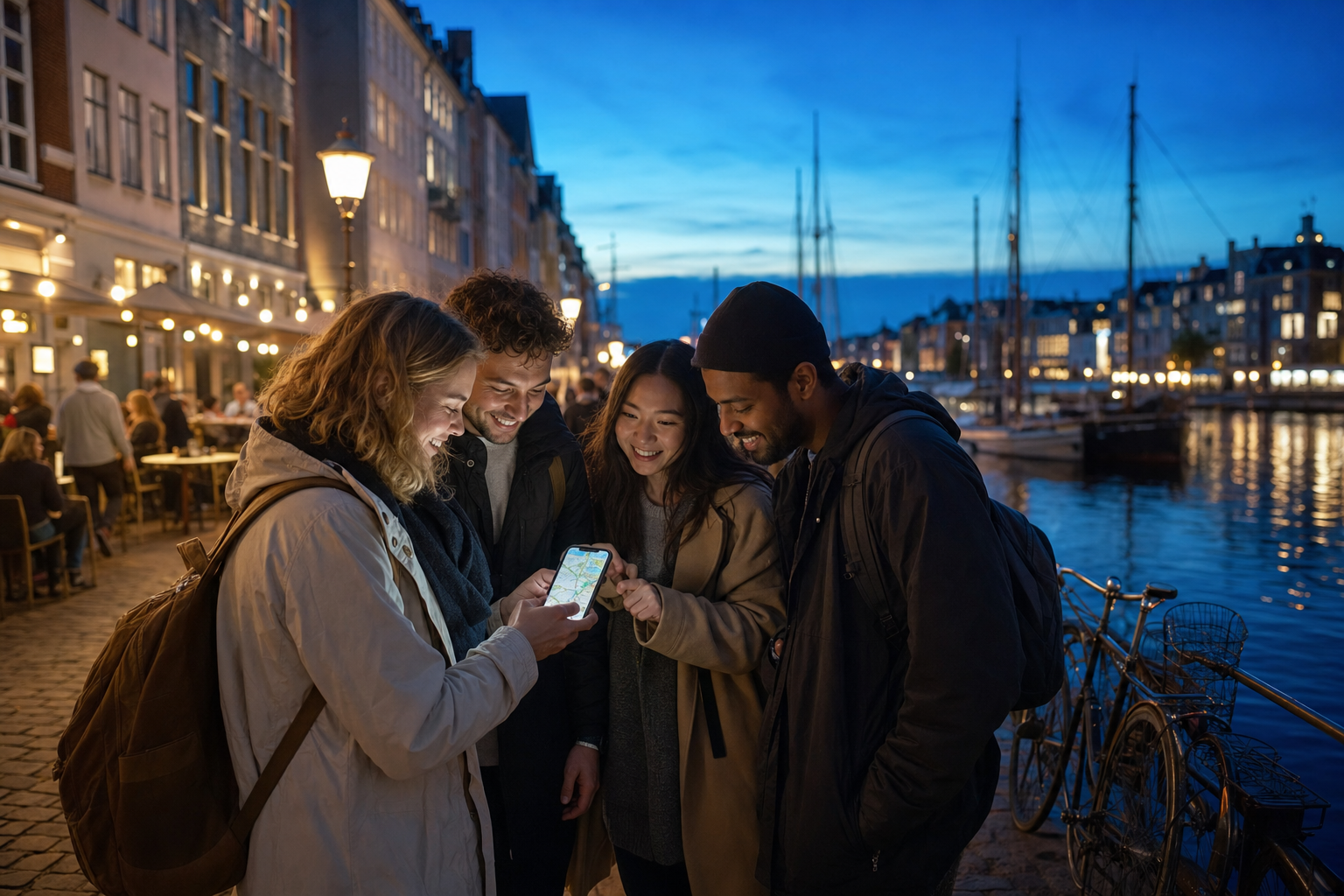
Do not ask AI for a generic night itinerary. Ask it to protect the whole day: cooler hours, safe return routes, late-opening options, moon and weather checks, booking rules, and a morning-after plan that keeps tomorrow from collapsing.
Noctourism is the travel habit of building a trip around what happens after daylight fades: stargazing, night markets, illuminated landmarks, evening food walks, late museum hours, waterfront promenades, concerts, meteor showers, and cooler city routes. Booking.com named Noctourism as a 2025 travel prediction and said more than 60% of surveyed travelers were considering destinations with limited light pollution.
The trend is also practical. The European Environment Agency reports that global mean temperature from 2015 to 2024 was 1.24 to 1.28°C above pre-industrial levels, while European land temperatures rose faster, at 2.19 to 2.26°C depending on the dataset. For travelers, that does not mean every trip should become nocturnal. It means the best version of a summer day may have a quieter morning, a protected afternoon, and one excellent evening anchor.
What noctourism actually solves.
Night-first planning can solve three common trip failures: peak-heat sightseeing, overpacked daytime routes, and evenings treated as leftovers. Instead of adding nightlife after a full day, start by deciding which evening memory deserves the energy.
That anchor might be a stargazing tour, a guided food walk, a river cruise, a night museum opening, an old-town photo route, a safe family promenade, or a rooftop viewpoint. Once the anchor is set, the rest of the day gets edited around it.
The noctourism AI rule.
Plan the night as the anchor, then make the daylight hours support it.
Most AI travel drafts assume energy resets every morning. Real trips do not work that way. If the night matters, the afternoon needs rest, the dinner location needs to fit, the return route needs to be obvious, and tomorrow morning should not start with a punishing transfer.
Copy-ready prompts
Use AI to pressure-test the night before you book it.
Rebuild this itinerary so the highest-exposure walking happens before 10 a.m. or after 7 p.m. Put the hottest hours into museums, ferries, shaded meals, hotel rest, coworking, or transit. Keep one night anchor that still feels memorable.
For this destination shortlist, compare stargazing or night-sky potential by cloud risk, moon phase, light pollution, transport back, safety, and whether the experience requires a guide or official access.
Find evening museums, galleries, food markets, river cruises, viewpoints, concerts, night walks, or family-safe events that are realistic for my dates and neighborhood. Flag anything that depends on a risky last train or expensive ride home.
Rewrite the evening plan for a family with tired kids, then for a solo traveler. Include lighting, transit, pickup points, bathroom breaks, food, weather, and the point where we should end the night.
Tell me what needs advance booking, what can stay flexible until weather is clearer, what cancellation terms matter, and what official/provider details I must verify before paying.
Assume the night plan runs late. Rebuild the next morning so it does not punish the trip with a rushed checkout, early tour, or cross-town transfer.
Use a three-part night plan.
1. The anchor
Choose one night experience that justifies shifting the day: a dark-sky outing, food walk, late-opening museum, boat route, festival evening, city lights viewpoint, or guided neighborhood walk. If nothing feels strong enough to protect, keep the night simple.
2. The buffer
Build a pre-anchor buffer. That might be a hotel rest, early dinner, shaded afternoon museum, ferry ride, or low-effort neighborhood block. The buffer stops the evening from becoming a forced march after a hot day.
3. The exit
Decide exactly how the night ends. Confirm last transit, pickup points, ride-share availability, walking distance, lighting, weather, and whether the provider returns you to the starting point. Families, solo travelers, and digital nomads with work the next morning should be extra strict here.
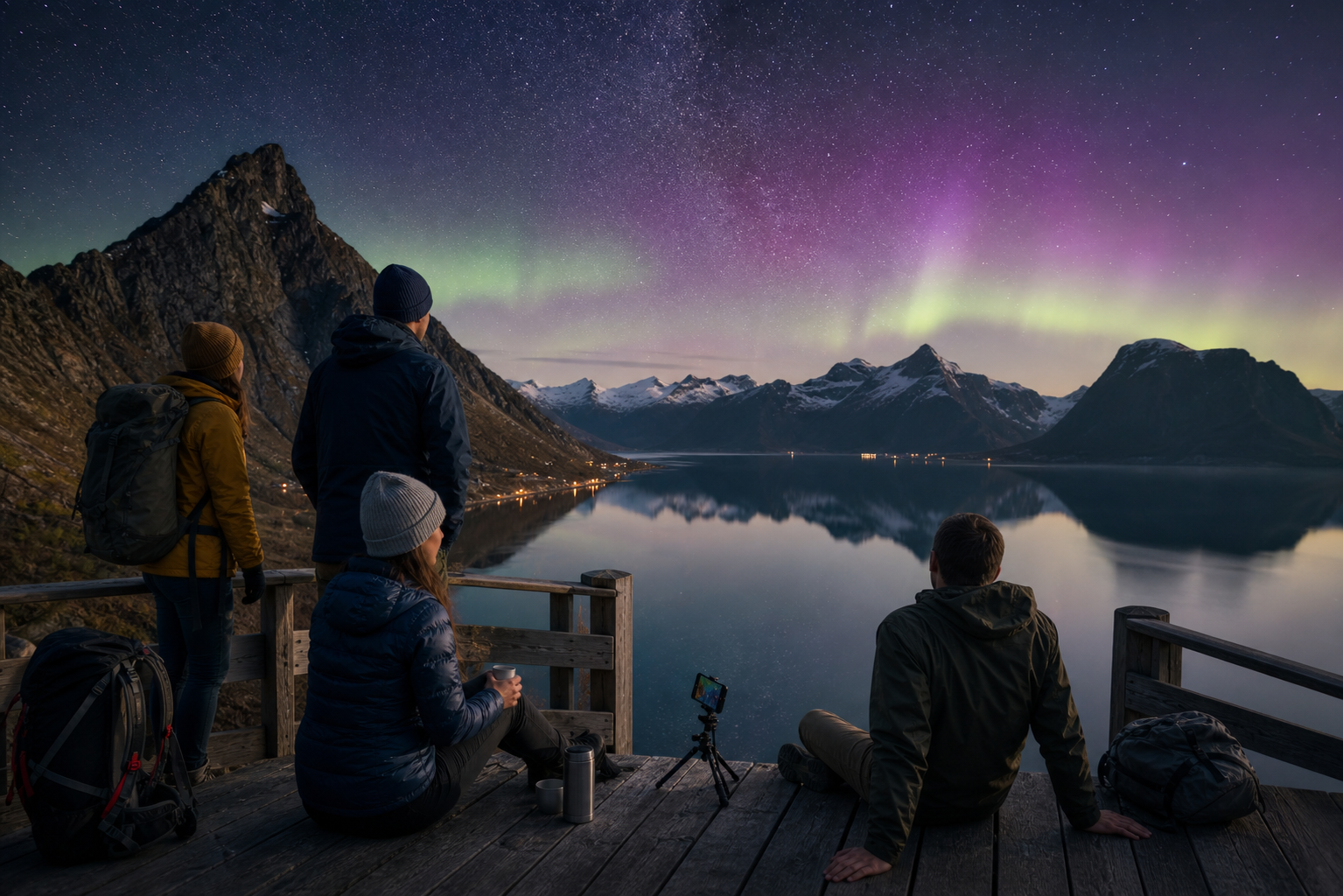
Best-fit noctourism trip ideas.
Try evening waterfronts, food halls, ferries, old-town walks, and late summer light in places such as Copenhagen, Stockholm, Oslo, or Reykjavik.
Use official park or provider pages to verify access, weather, moon phase, and whether a guided route is safer or more informative than a DIY plan.
Choose illuminated promenades, boat rides, early evening food tours, science museums with late hours, or one easy viewpoint near the hotel.
Protect work blocks during the day, use evenings for the main travel memory, and avoid sunrise tours the next morning unless the night plan is short.
What to verify before paying.
The National Park Service describes night skies as a natural and cultural resource and points travelers toward night-sky maps, reports, and park guidance. Use that mindset anywhere: the night is not just a backdrop. It has rules, access points, weather, visibility, transport, and safety context.
- Check official opening hours, seasonal schedules, last entry, and whether late hours apply on your exact date.
- For stargazing, check cloud cover, moon phase, light pollution, road access, guide requirements, and cancellation policy.
- For city nights, confirm the return route before booking the outbound experience.
- For families, avoid plans where food, bathrooms, transit, and sleep all depend on improvisation.
- For solo travelers, keep the meeting point, end point, and after-hours route conservative.

Internal links to use next.
Pair this with TopTravel.ai planning rules for fragile summer trips: the Coolcation AI Rule, the Summer Travel Backup-Day Rule, AI trip-planning prompts, and the Arrival-Day Buffer Rule.
Use the prompts to clean the itinerary, then compare evening tours, food walks, stargazing trips, cruises, viewpoints, and late-opening experiences with live provider details.