Last updated 09/05/2026.
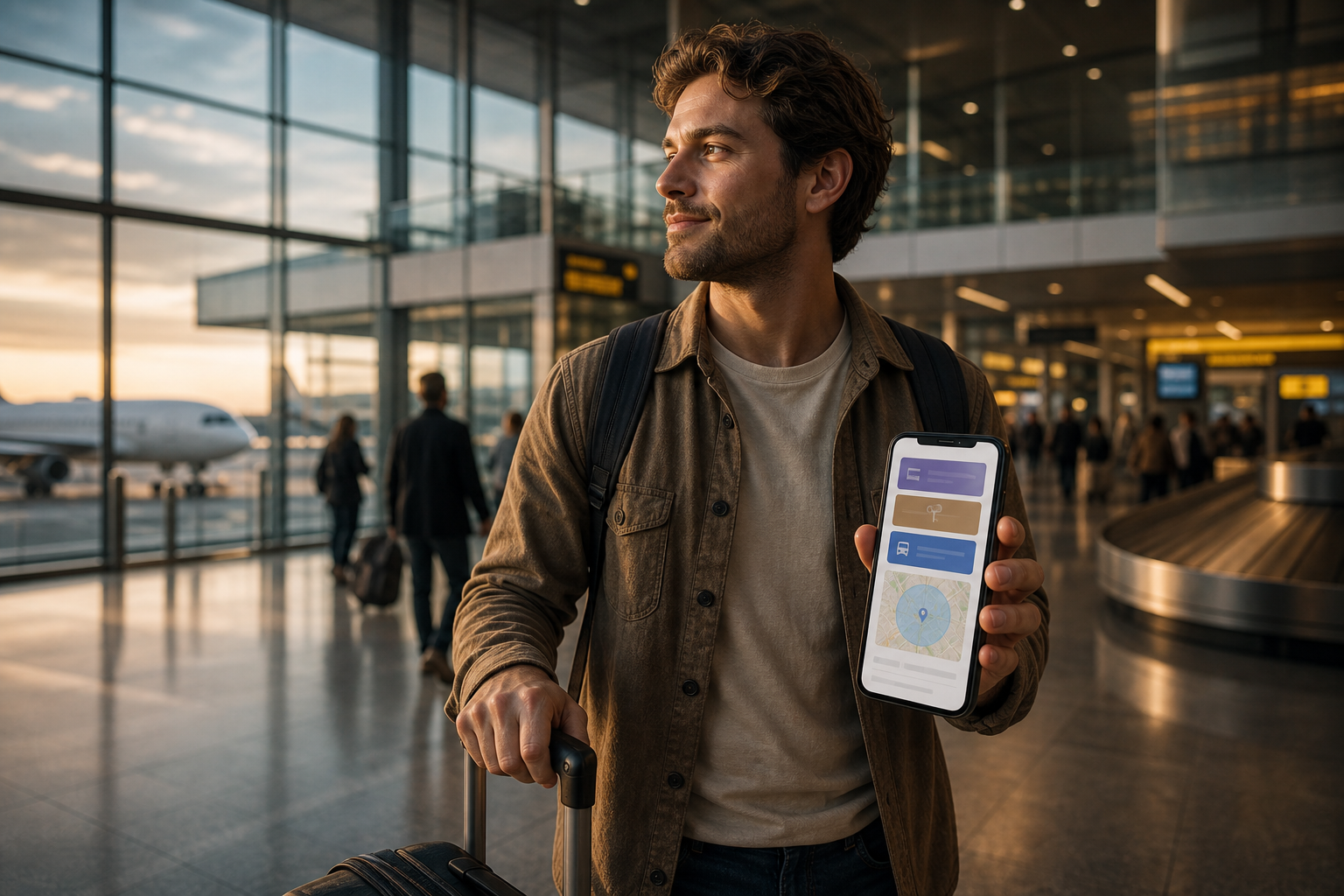
Do not put the trip's most fragile experience on day one. Use AI to pressure-test the landing, airport exit, transfer, hotel check-in, luggage plan, meal window, and first-night fallback before you prepay anything that would hurt to miss.
Arrival day feels harmless when you are booking from home. The flight lands at 3:10, the hotel is 35 minutes away, dinner is at 7:30, and the evening tour looks perfect. Then the actual day adds taxi time, a long walk to baggage claim, a rideshare pickup maze, a room that is not ready, hungry kids, delayed messages, rain, heat, or a security line that drained everyone's patience before the trip even started.
That risk is sharper in busy travel periods. AAA projected 72.2 million Americans would travel at least 50 miles from home over the 2026 Independence Day period. TSA said it expected to screen nearly 18.7 million air travelers between June 30 and July 6, with the busiest day expected to top 3 million passengers. TSA's checkpoint volume table also showed multiple late-June days near or above 2.9 million screened travelers. The lesson is simple: when the system is full, day-one optimism gets expensive.
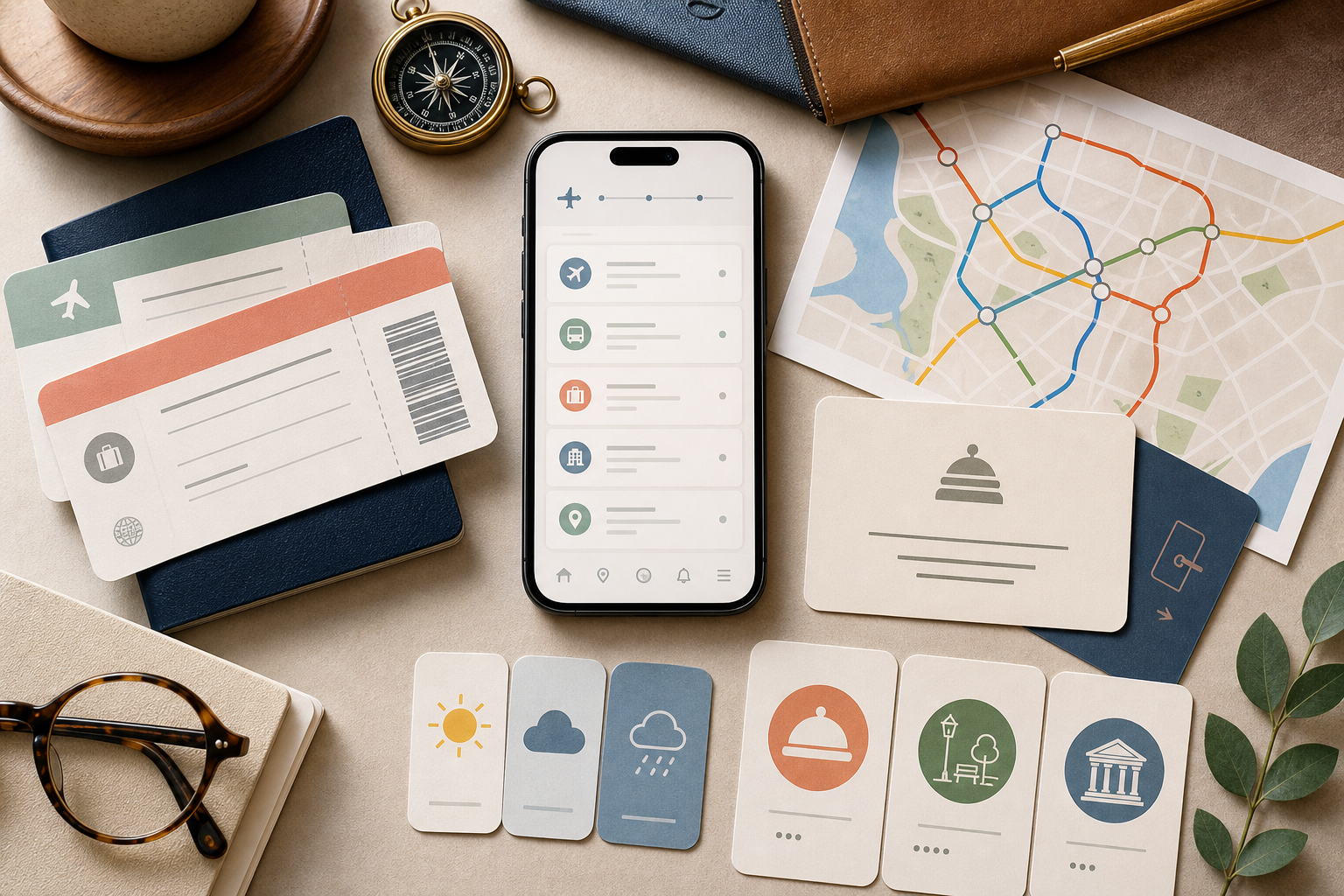
Copy-ready prompt set
Ask AI to break day one before real life does.
Assume the posted arrival time is only the start of the day. Add time for taxiing, bags, passport or ID checks, rideshare pickup, train tickets, family bathroom stops, and one wrong turn.
Ask for a plan that works if check-in slips by two hours: luggage storage, a shaded cafe, nearby lunch, low-stakes walk, or a paid early check-in that is actually worth it.
Move expensive tours, timed tickets, boat trips, or tasting menus off arrival day unless the cancellation terms are forgiving and the route has a real backup.
Build one indoor or shaded first-night option within easy reach of the hotel. Arrival day is not the day to cross the city in a storm or heat wave.
Rewrite the first evening for kids, older relatives, a jet-lagged partner, or a digital nomad who still has to answer messages. Keep the win small and close.
Compare airport train, taxi, rideshare, shuttle, and walking legs by total friction, not just posted travel time. Include luggage and after-dark comfort.
Protect the next morning's anchor experience. A good arrival night makes tomorrow easier instead of stealing energy from the trip's main reason.
The rule: day one gets one easy win.
The arrival-day buffer rule is not anti-fun. It is anti-fragile. Give day one exactly one easy win: a good meal near the hotel, a short neighborhood walk, sunset from a flexible viewpoint, a simple transfer, a low-stakes market stop, or an early night that makes tomorrow better. If the plan requires perfect flight timing, perfect luggage handling, perfect weather, and perfect group energy, it belongs on another day.
This is especially useful for families, digital nomads, and international arrivals. Families need food, bathrooms, stroller or car-seat logistics, and decompression time. Digital nomads may need Wi-Fi, SIM setup, a work check-in, or a quiet place to fix a banking or booking issue. International travelers may face immigration, currency, transit-ticket, plug-adapter, and phone-data friction before the first attraction even appears.
The arrival-day prompt that saves the trip.
Copy this prompt before you book: "Act like a skeptical arrival-day travel planner. My flight/train arrives at [time] in [city]. I am staying at [area/hotel], traveling with [group], carrying [bags], and considering [first-night plan]. Build a realistic curb-to-room timeline, list the five most likely failure points, replace anything too fragile, and give me one easy win within 15 minutes of the hotel."
Then ask the follow-up that most travelers skip: "What should I not book on arrival day?" That answer often saves more money and stress than another list of things to do.

What belongs on day one, and what does not.
Good arrival-day choices are close to the hotel, easy to abandon, not dependent on a strict start time, and still pleasant if the group is tired. Think flexible dinner, airport transfer, luggage storage, pharmacy stop, neighborhood orientation, a short walk, a casual viewpoint, or a self-guided food plan.
Risky day-one choices include nonrefundable tasting menus, once-daily boat trips, timed museum entries, long cross-city transfers, remote sunset viewpoints, rental-car pickups after a red-eye, and anything where missing the start time ruins the value. If you must book one, choose forgiving cancellation terms and make the backup explicit.
Verify the boring details.
AI is useful for sequencing the plan, but verify regulated or time-sensitive details at the source. TSA's travel checklist tells flyers to check ID, arrive early, keep key screening items accessible, and review what can be packed. TSA's REAL ID page notes that enforcement began May 7, 2025 for U.S. domestic flights. Airline apps, airport pages, hotel policies, local transit sites, and provider cancellation terms should be checked directly before payment.
Internal links worth opening next.
If the flight itself is the weak point, start with the airport-first rule. For bigger itinerary pressure tests, use AI trip planning prompts for 2026. If heat, storms, or once-a-day transport could break the schedule, add the summer backup-day rule. If bags are causing day-one friction, pair this with the carry-on-only AI packing method.
Use TopTravel.ai to compare airport transfers, flexible neighborhood tours, and low-friction experiences that fit the real first day before checking live provider availability.