Last updated 09/05/2026.
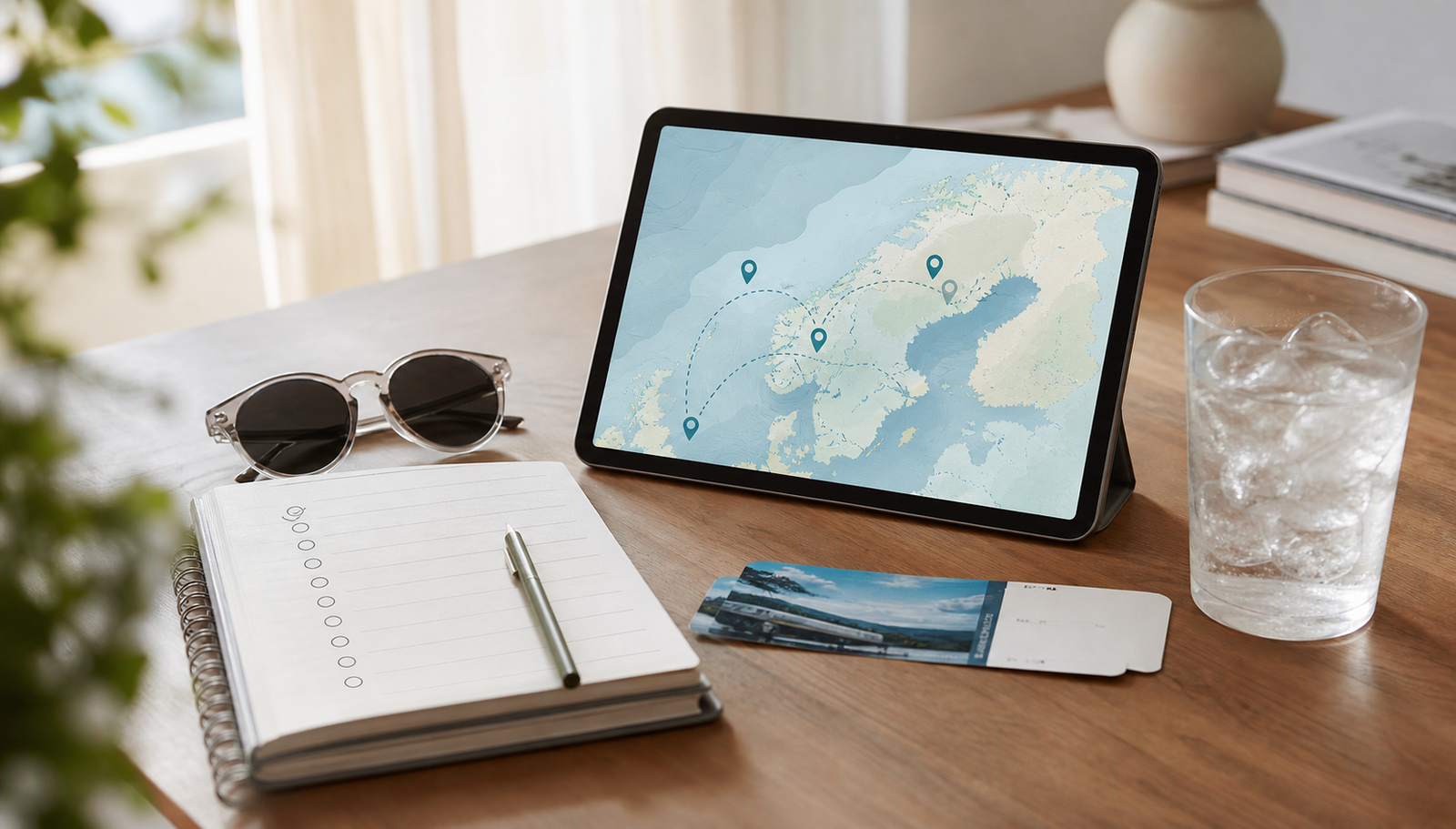
For summer 2026, do not ask only where is hot on social media. Ask where your trip can still feel good when crowds, weather, transport, and booking rules are real. Use AI to compare the whole day, then verify live details before you pay.
The word coolcation sounds like a trend label, but the behavior behind it is practical. Travelers are trying to avoid the trip version where the famous square is packed, the afternoon walk feels punishing, the kids melt down, the remote worker loses the quiet block, and every good time slot is already gone.
Booking.com's 2026 sustainability research says 43% of travelers plan to avoid crowds, 42% plan to travel out of season, and 25% plan to visit cooler destinations. TUI Musement also points to rising demand for second cities, with travelers looking beyond classic destinations such as Barcelona, Paris, and London toward places with fewer crowds and expanding cultural scenes.
That does not mean everyone should abandon big-name trips. It means the better question is changing: which destination, base, route, and hour gives you the summer day you actually want?
The coolcation rule.
Choose the version of summer travel with the lowest heat-plus-crowd cost for the memory you care about most.
The memory might be a fjord cruise, food walk, museum morning, island ferry, family bike ride, shaded old town, or one excellent guided route. Once you know that anchor, every other decision gets easier. If the famous city supports the anchor, keep it. If a cooler base, second city, or shoulder-season date supports it better, switch.
Copy-ready prompts
Ask AI to challenge the summer plan, not decorate it.
Given my dates, destination shortlist, travelers, budget, and must-do experience, identify where heat, crowd pressure, long lines, or outdoor exposure could make the day worse. Suggest a cooler hour, neighborhood, or nearby city that protects the same trip goal.
For each famous summer city on my list, name one less obvious base with good transport, strong food or culture, and easier day shape. Explain what I gain and what I give up.
Rebuild this itinerary so the most exposed walking happens early or late, lunch is near shade or water, and the afternoon has an indoor, ferry, museum, garden, or low-effort backup.
Assume one traveler needs quiet work time, one child needs breaks, and nobody wants to cross town in peak heat. Rewrite the day with one anchor experience, one flexible block, and a simple exit plan.
Tell me what to book now, what to leave flexible, and what to verify on official pages before paying: ID, passport, transport, timed entry, cancellation rules, weather policy, and meeting point.
Remove any stop that exists only because it is famous. Keep the one experience that would still feel worth the trip if the weather, crowds, or prices are worse than expected.
Start with cooler trip shapes, not just cooler places.
A coolcation can be a northern city, a coastal route, a lake district, a mountain base, a ferry-heavy itinerary, or simply a better-timed city break. The point is to reduce friction. Morning landmark, long shaded lunch, afternoon museum, evening waterfront walk is a different trip from midday queue, exposed transfer, rushed meal, and late check-in.
TopTravel.ai pages already map well to this style of planning. Try Oslo, Stockholm, Copenhagen, Edinburgh, Reykjavik, Vancouver, Seattle, or Montreal when you want culture, waterfronts, food, and day trips without building every hour around heat management.
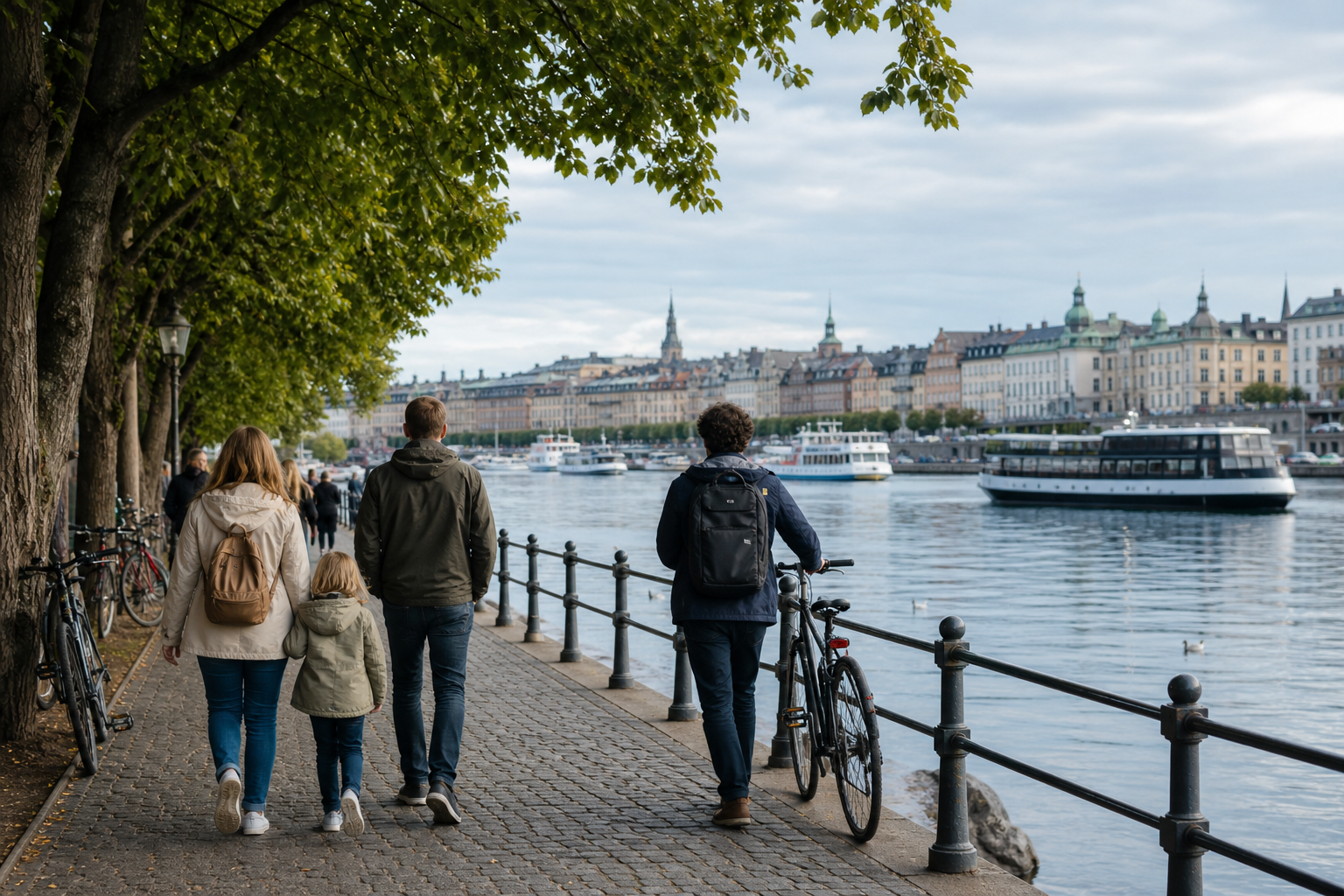
Use the second-city filter.
Second cities are useful because they often keep the emotional category while lowering the operational burden. You still get food, culture, architecture, markets, music, sport, or waterfront time, but the trip may require fewer timed-entry fights and less patience tax.
Use this filter before booking: if the famous city is the only reason the plan works, keep it and protect the timing. If the experience is the real reason, ask whether a nearby or less obvious base gives you more room. A Stockholm archipelago route, an Oslo fjord search, an Edinburgh old-town search, or a Vancouver mountain-and-water day can be the main event, not a consolation prize.
Make the practical checks boring on purpose.
Before you pay, verify the basics on official or provider pages. TSA says REAL ID enforcement began May 7, 2025 for U.S. domestic air travel, with passports also listed as acceptable identification. For international trips, the U.S. Department of State directs travelers to destination-specific travel information and passport resources. Booking pages should still be checked for live availability, meeting point, cancellation terms, weather notes, and current provider instructions.
This is not the exciting part of travel planning. It is the part that stops a smart-looking AI itinerary from becoming fragile.
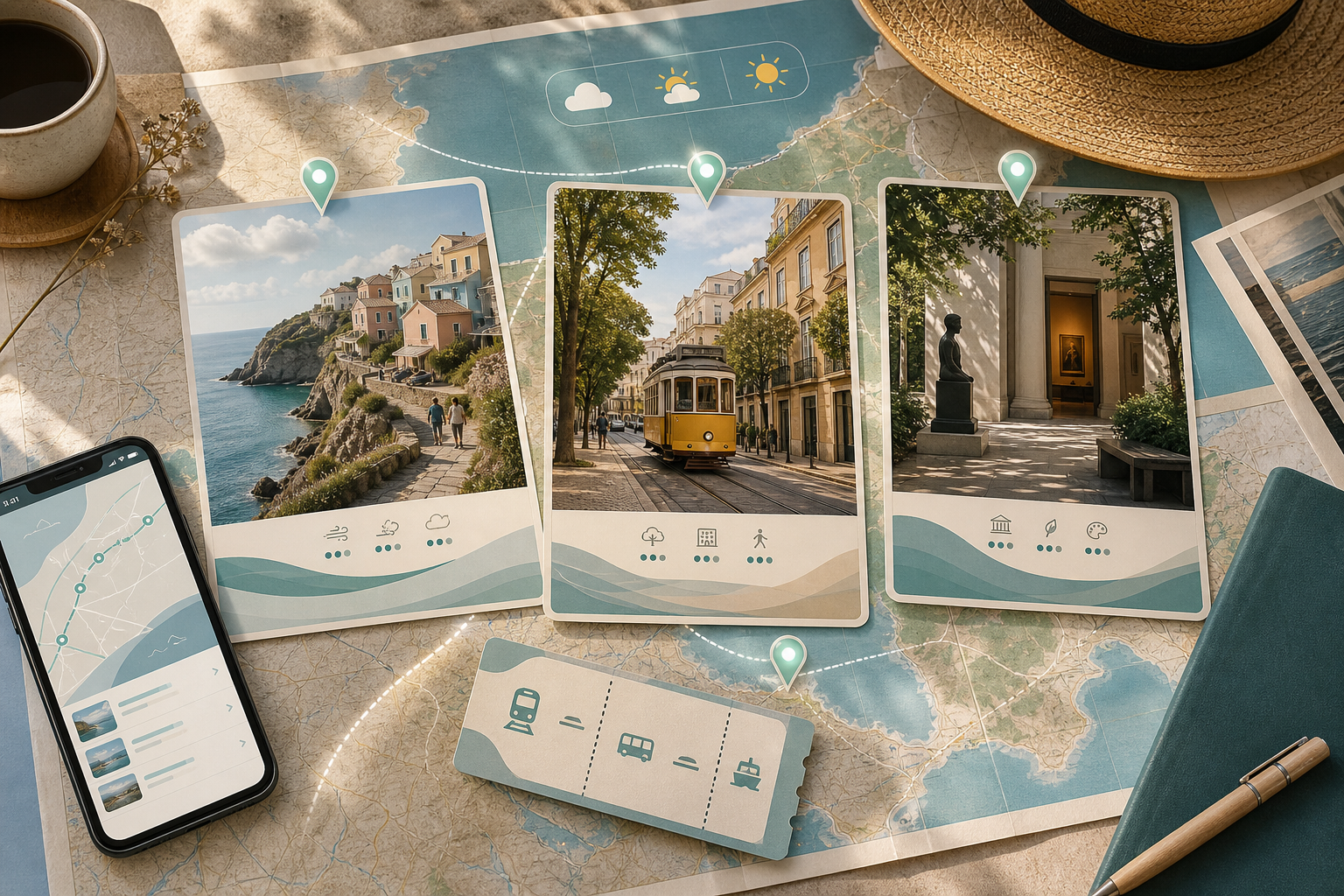
The quick coolcation checklist.
Choose the experience that would make the trip worth it even if the rest of the day stays simple.
Put exposed walking early or late. Save museums, ferries, trains, shaded neighborhoods, or hotel breaks for the harder hours.
Check whether a second city, coastal base, island route, or nearby day trip gives the same feeling with less crowd pressure.
Confirm ID, passport, transport, timed entry, cancellation policy, weather policy, meeting point, and recent provider notes.
Browse TopTravel.ai guides, choose the anchor that makes the trip worth it, then check live prices, reviews, availability, meeting points, and cancellation terms before booking.